How Belt Conveyor Suppliers Help Streamline Material Handling Processes
Introduction
Material handling shapes output, lead times, labour use, and product condition across warehouses, food plants, factories, and dispatch centres. Belt conveyor suppliers help businesses move goods with steadier flow, fewer stoppages, and better control at transfer points. Their value sits in planning, sizing, fabrication, installation, and support. When those steps align with site needs, operations gain cleaner movement, lower waste, and stronger day-to-day consistency.
Better System Fit
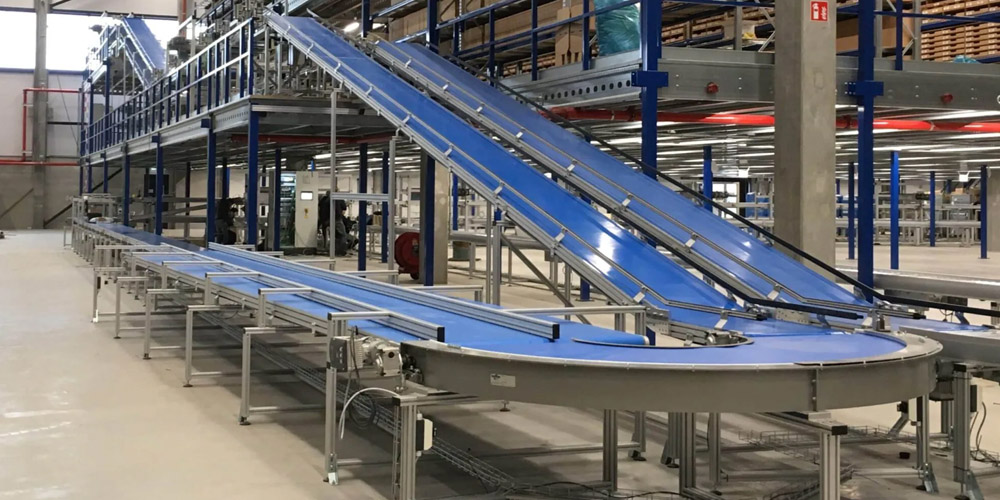
A well-matched conveyor starts with load type, travel distance, belt width, frame material, and required speed. Many sites also need level changes, curves, or gentle accumulation zones. A practical reference point is a Belt Conveyor Supplier in Australia, where options include flat decks, roller-supported belts, food-grade builds, and powered curves. That range shows how supplier input can shape a line around real handling conditions.
Faster Throughput
Belt conveyors support continuous flow, which helps teams reduce waiting time between picking, packing, sorting, scanning, and dispatch. Smooth transport also limits bunching that slows downstream equipment. With variable speed control, operators can match line pace to daily demand. That balance keeps work moving without forcing sudden stops, rushed handling, or uneven release of cartons, satchels, bags, or components.
Lower Product Damage
Gentle handling matters where items are fragile, soft-packed, irregular, or hard to stabilise on rollers. A supplier can recommend belt-over-deck designs, zero-pressure accumulation, or better incline angles to reduce slips and jolts. Those changes protect labels, seals, and outer packaging. Fewer shocks during movement usually mean less rework, fewer returns, and more reliable presentation at the end of the line.
Smarter Layout Use
Floor space often limits output more than machine speed. Skilled suppliers study path direction, transfer points, and elevation needs before a line is built. Curves from 30 to 180 degrees can route products around fixed structures without extra manual carry. In-line ramps also help connect work zones cleanly. Better layout choices free walkways, shorten travel, and make each station easier to access.
Load Control
Consistent positioning is essential for metering, induction, tracking, and sortation tasks. Belt conveyors help keep products aligned from one section to the next, which improves scanner reads and timing accuracy. Suppliers support that control by setting correct belt tension, drive arrangement, and support structure. When alignment stays stable, automated actions can run with fewer misses, less intervention, and steadier downstream timing.
Industry Flexibility
One reason belt systems remain common is their broad use across sectors. Warehousing lines move cartons and satchels. Manufacturing plants shift parts between stations. Food processors need hygienic surfaces and stainless construction. E-commerce sites depend on quick parcel flow during peak periods. Suppliers streamline adoption by adapting one transport method for many product types, rather than forcing teams into several disconnected handling solutions.
Custom Build Value
Standard equipment helps some facilities, yet many sites need custom sizing or special materials. Suppliers that fabricate frames in mild steel or stainless steel can adjust dimensions to suit product mix and operating environment. Belt widths from 100 millimetres to 2000 millimetres cover very different tasks. That flexibility supports long runs, compact cells, and hygiene-critical zones without relying on awkward add-ons after installation.
Support After Installation
A conveyor adds most value after commissioning, when everyday performance proves the design. Suppliers help streamline that stage through maintenance guidance, spare parts access, tension checks, and practical fault response. Quick support reduces downtime and prevents minor drift from becoming a line-wide issue. Strong aftercare also helps teams plan upgrades in stages, instead of replacing whole sections before the site truly needs change.
Cost Impact
The clearest gains often appear through labour allocation, product flow, and error reduction. When people spend less time carrying loads or correcting jams, more time goes into productive tasks. Stable transport also helps managers forecast capacity with greater confidence. Energy use, maintenance spend, and capital outlay still matter, yet a supplier that matches the system properly can reduce total operating strain over time.
Conclusion
Belt conveyor suppliers streamline material handling by matching equipment to load behaviour, site layout, hygiene needs, and daily volume. Their input affects flow speed, positioning accuracy, product care, and service continuity long after installation ends. Businesses that treat supplier selection as an operational decision, rather than a simple purchase, usually gain stronger performance. In practical terms, the right supplier helps a facility move more with less friction.